 Agora
About Capoeira
Discover Mass Capoeira
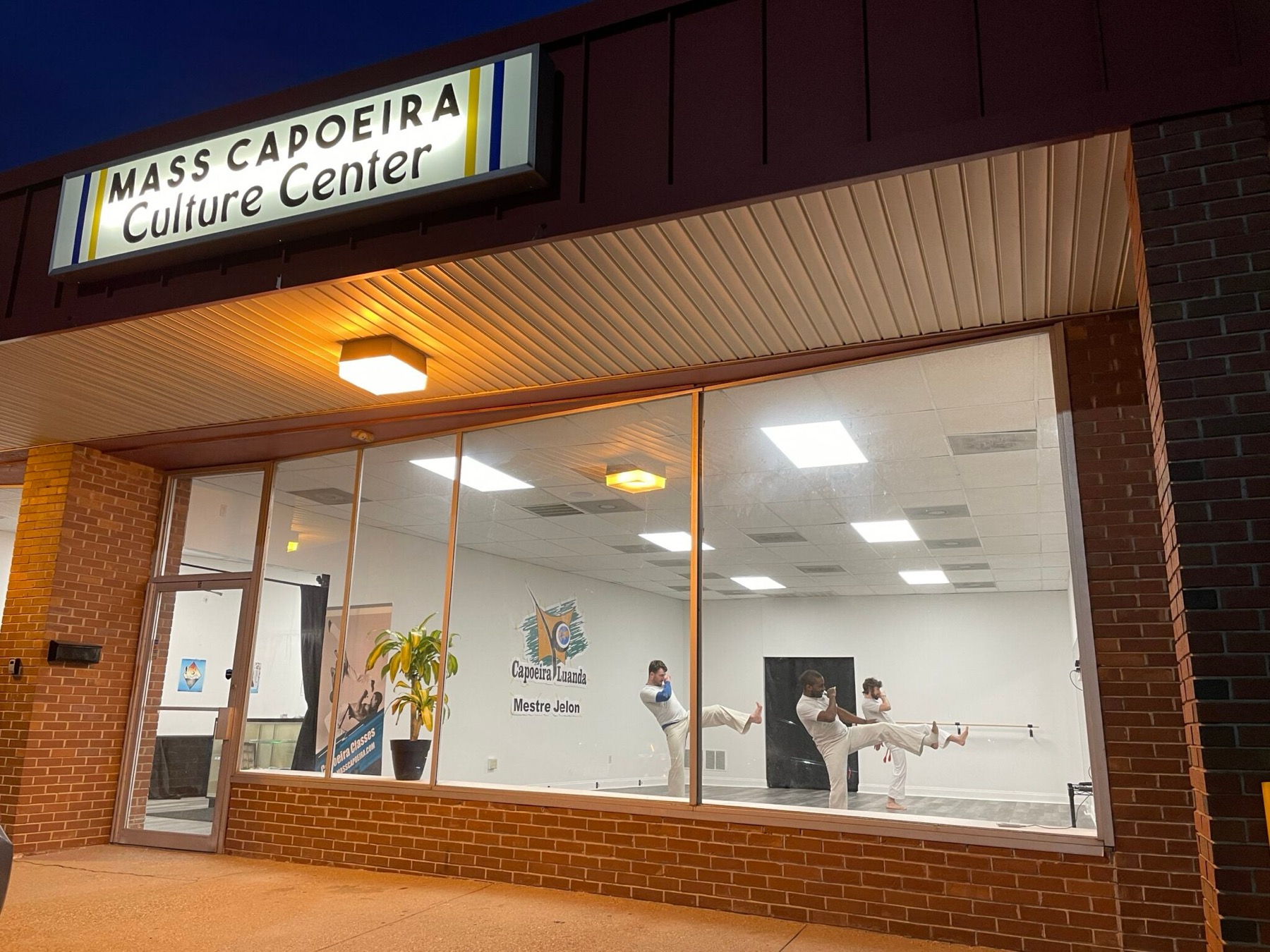
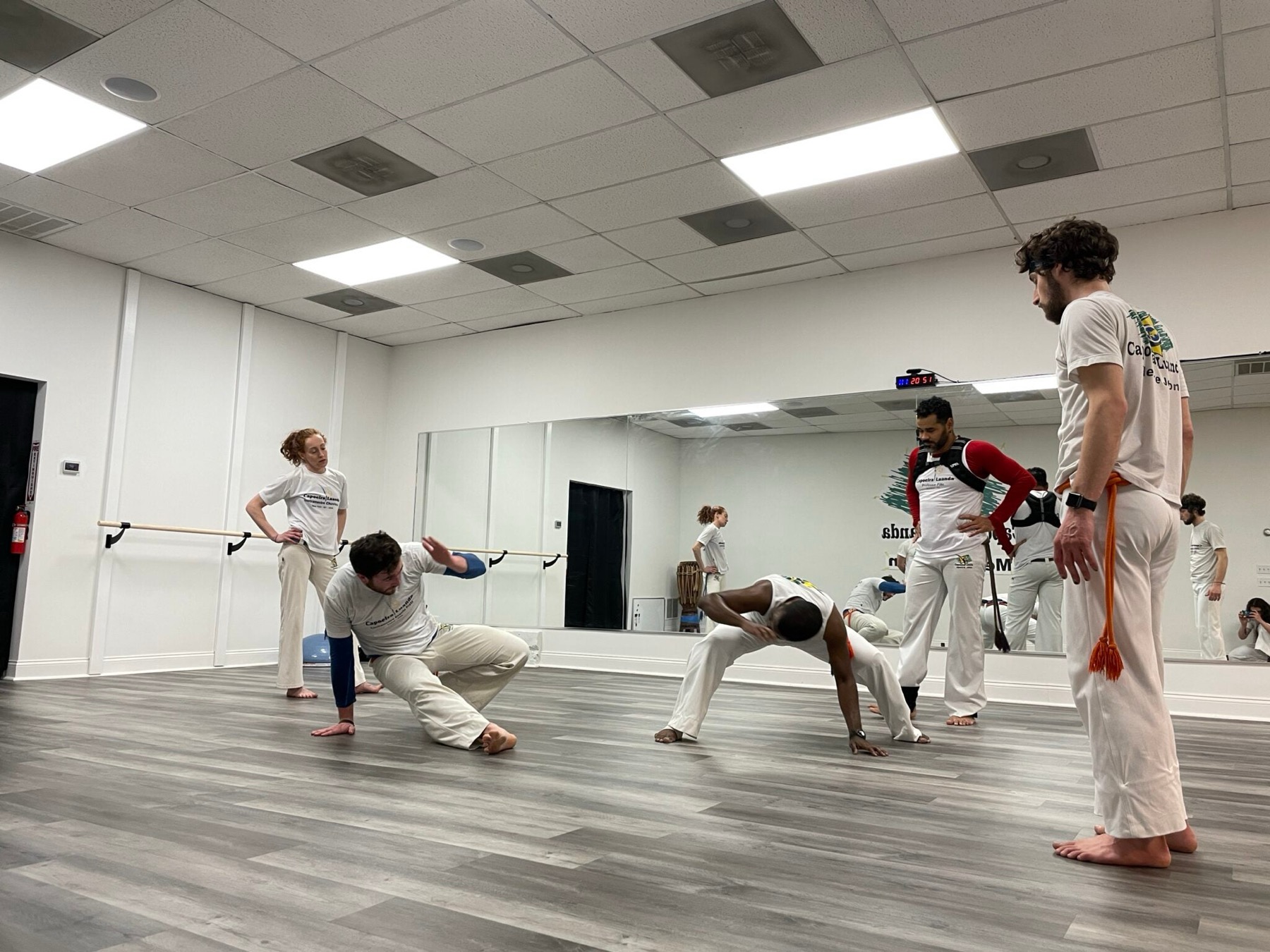
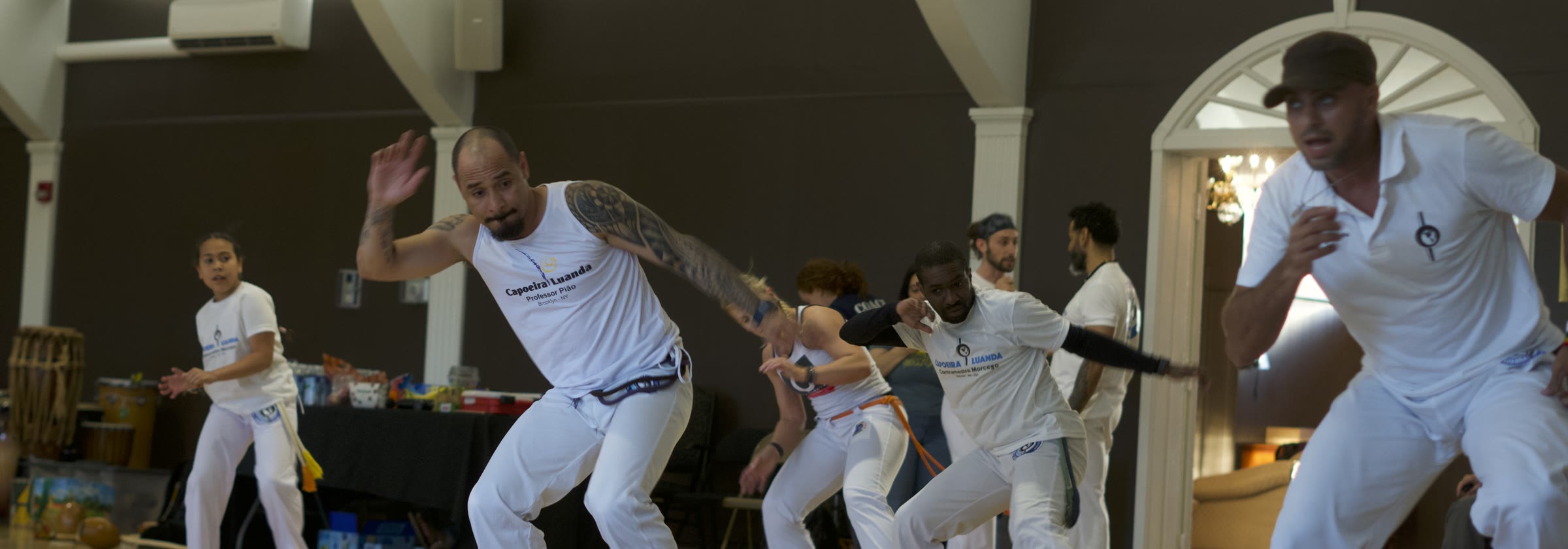
Mass Capoeira is a place of community and self-discovery. We are a cultural organization dedicated to promoting fitness, fun, and personal development through the art of capoeira. Learn more about our group, instructors, and values below.
Rooted in history, focused on our community
At Mass Capoeira, we strive to connect to our ancestors, the enslaved peoples who developed capoeira in Brazil as a form of cultural preservation, physical resistance, and spiritual resilience. At the same time, we honor the pioneers who formalized the modern teaching of capoeira in Brazil and the U.S. And every day, we work to improve ourselves as we bring this unique art form to American audiences and students.
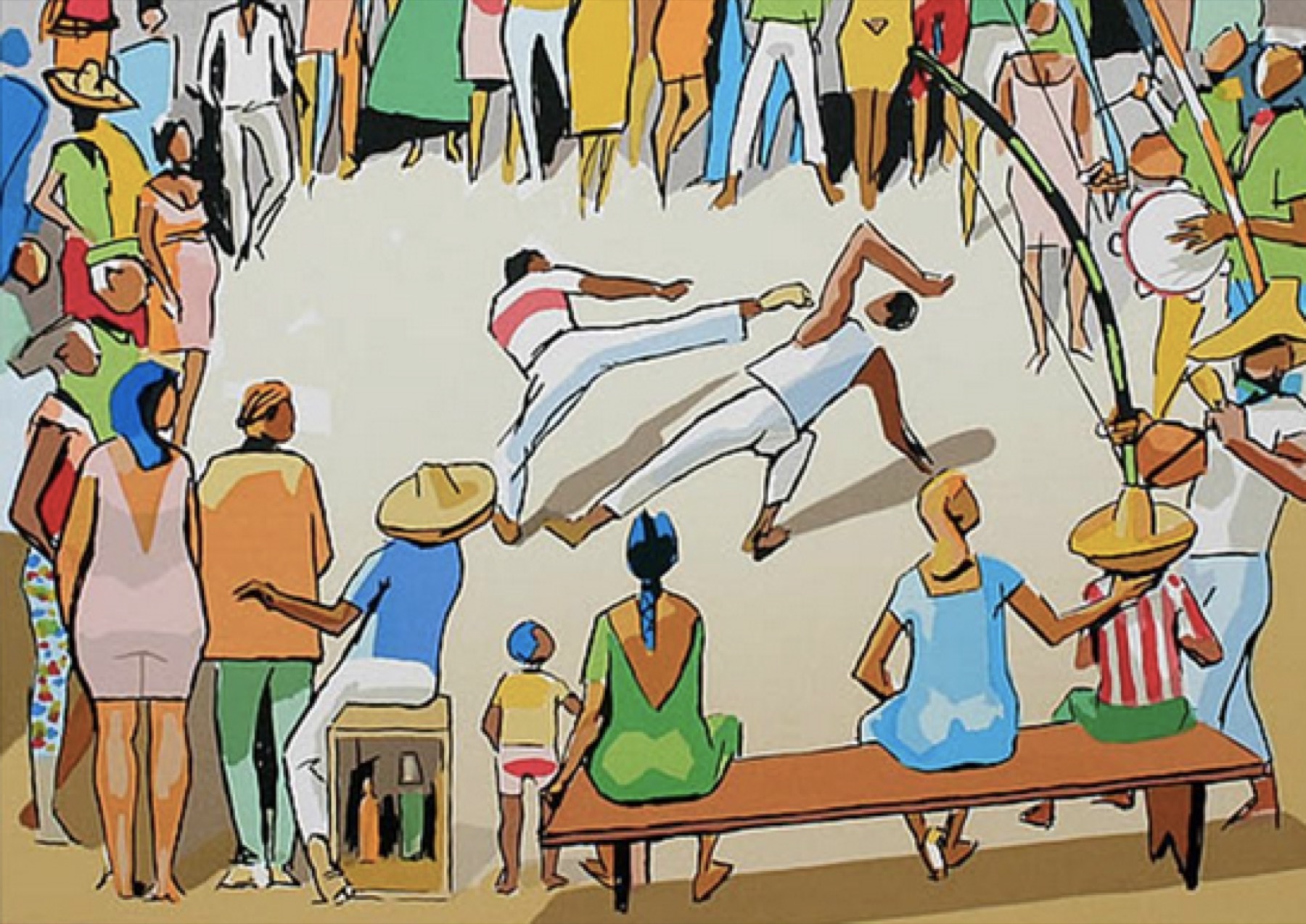
Artwork by Hector Carybé
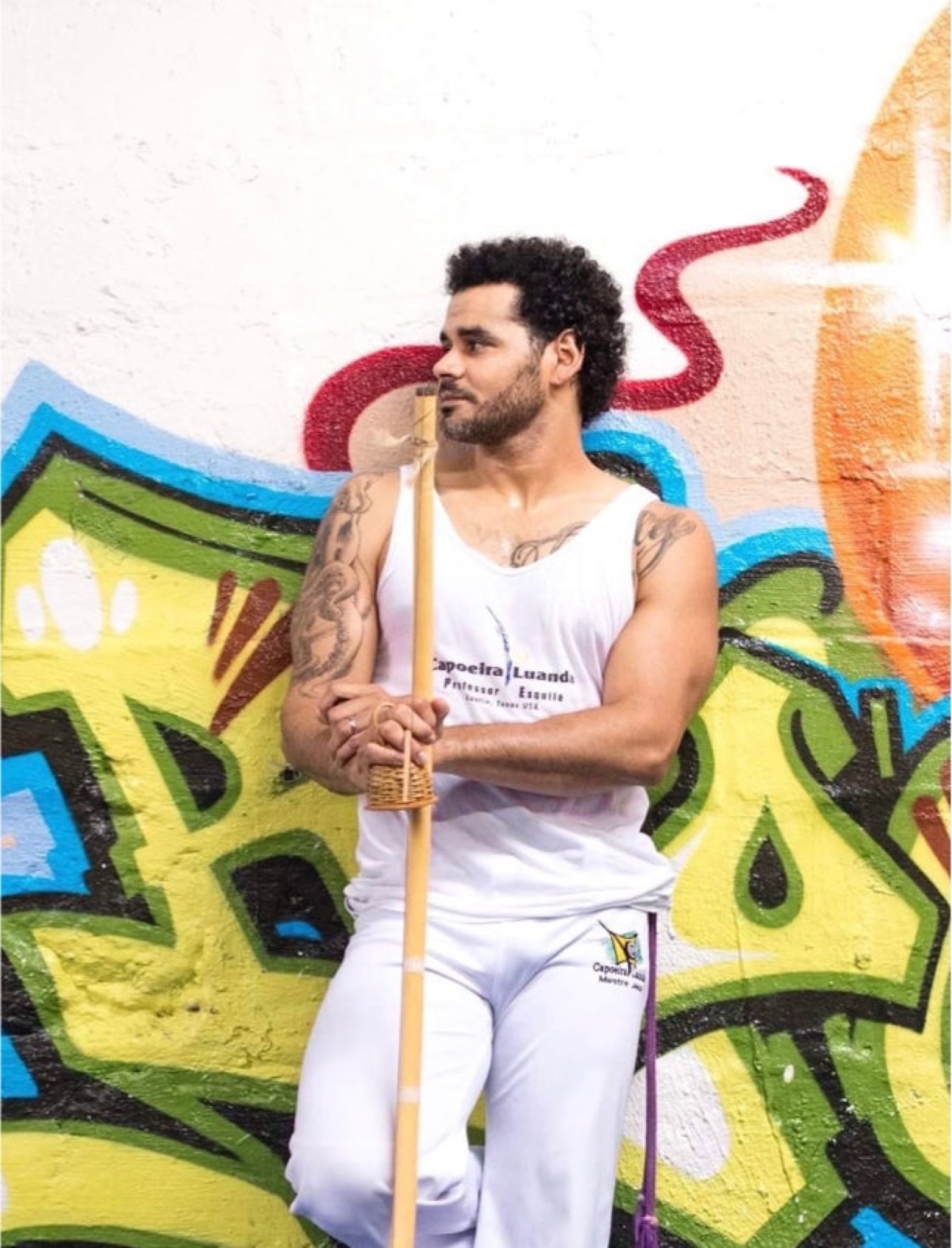
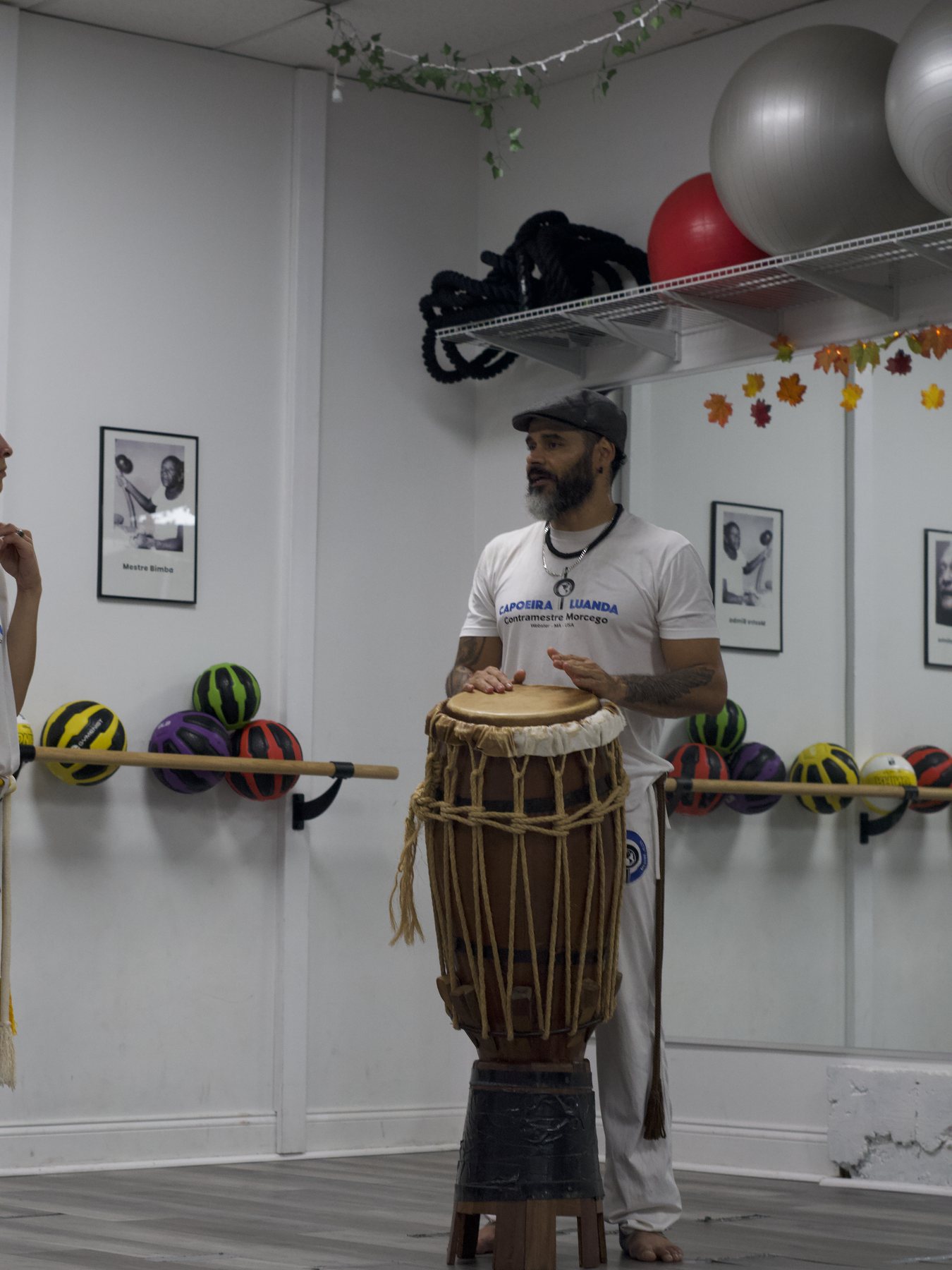
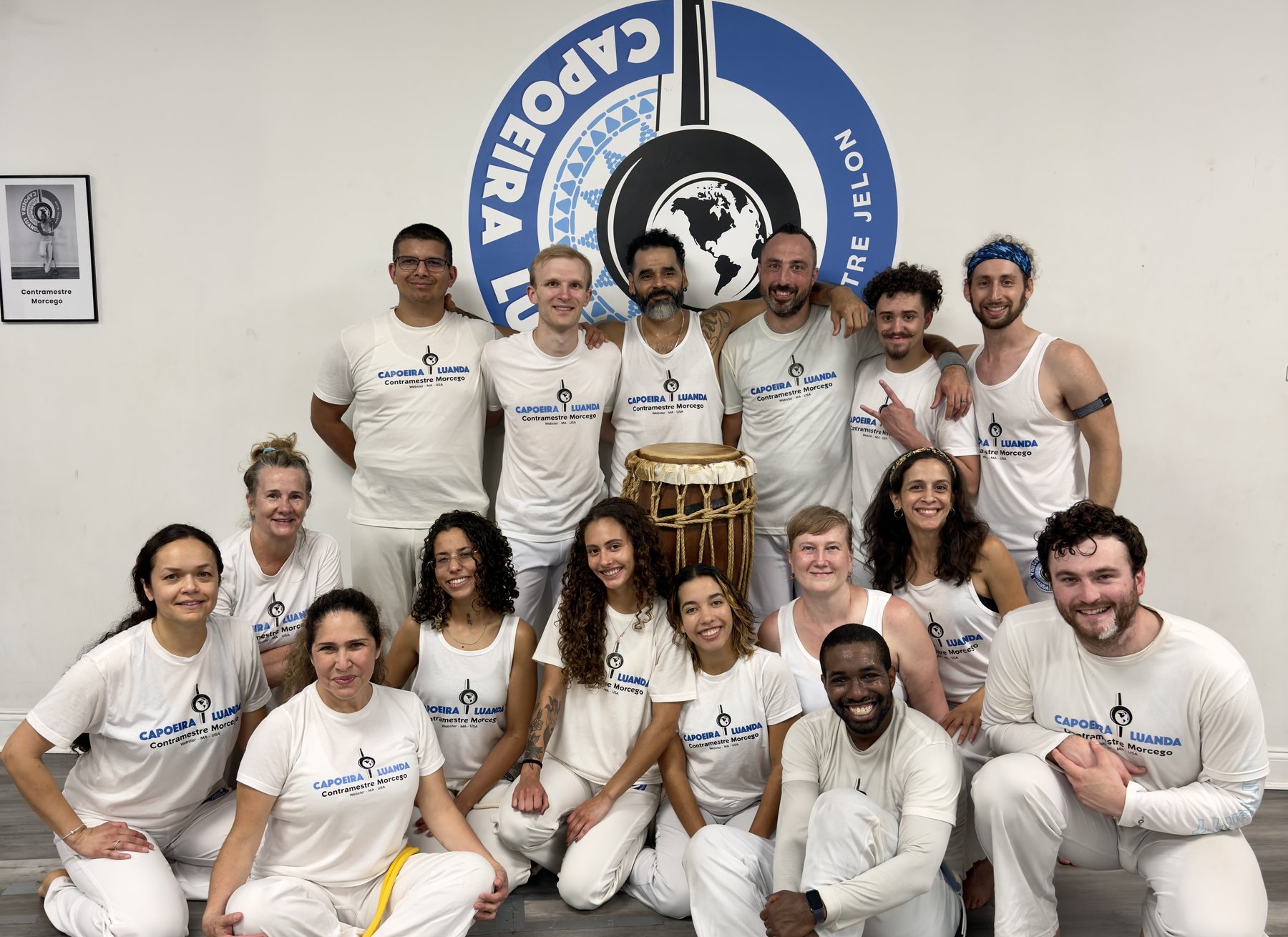
Contramestre Morcego
Alexandro Silveira, known as Contramestre Morcego, is a martial artist, musician, graphic designer, and tattoo artist who leads Mass Capoeira Luanda in Webster. Born in Salvador, Bahia, the cultural home of capoeira, Contramestre Morcego has more than 30 years of experience training and teaching capoeira throughout Brazil and the US, including at local institutions such as Worcester Polytechnic Institute, Clark University, and Mass Capoeira. He also directs Vertical Black, our custom screen printing shop.
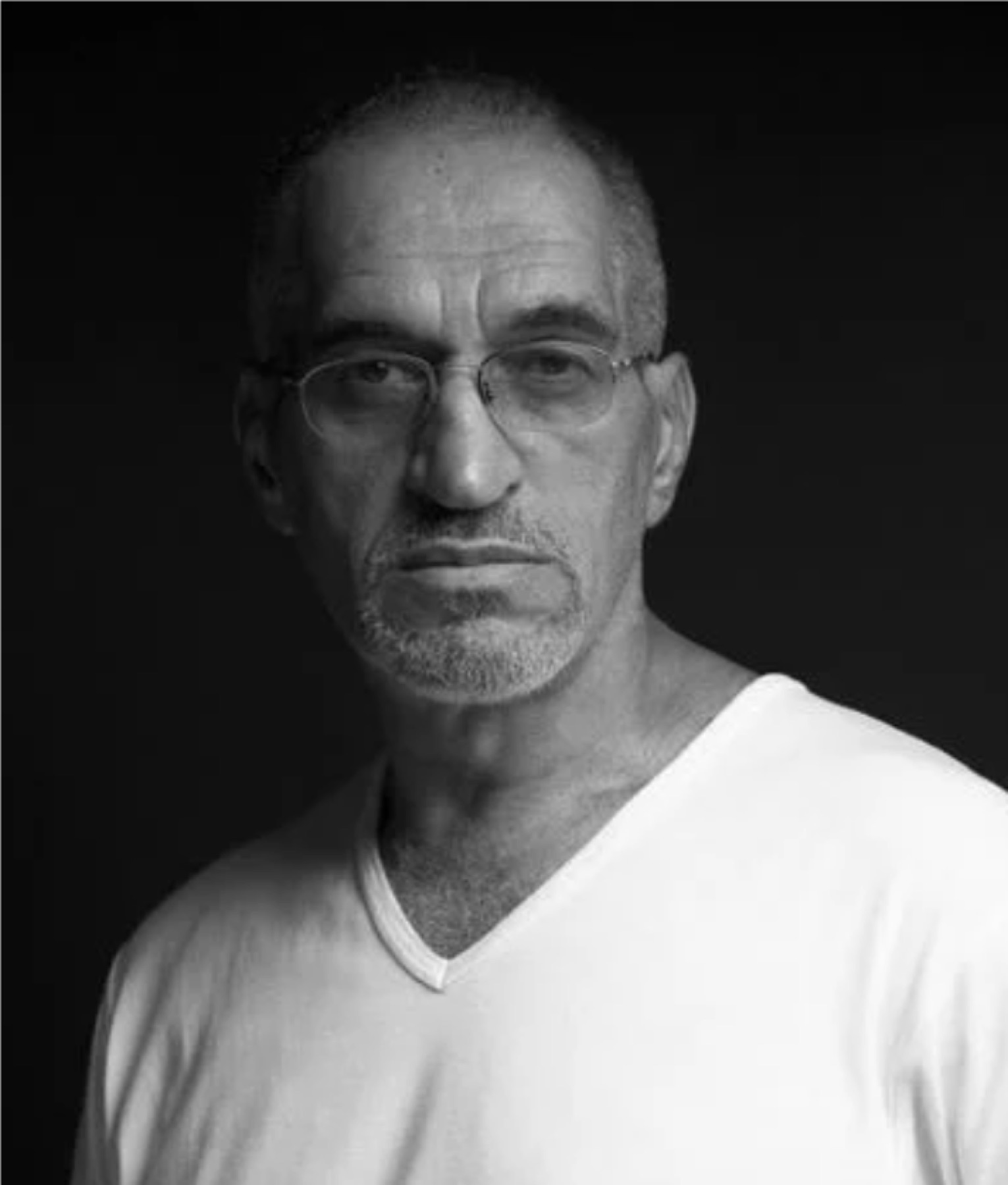
Mestre Jelon Vieira
Mestre Jelon Vieira is an internationally recognized martial arts leader and choreographer who is credited with being one of the first masters to bring capoeira to the United States in 1975. Born in Bahia, Brazil, Mestre Jelon was a student and disciple of Mestre Ezequiel. He also had the honor of attending classes at Mestre Bimba’s academy and studying under many great masters of the Capoeira Regional and Angola traditions, including Mestres Pastinha, Waldemar and Bobo.
Mestre Jelon has taught capoeira to top athletes and entertainers, including soccer great Pelé, Wesley Snipes, and Eddie Murphy. He has also been a guest master teacher at Yale University, Oberlin College, Columbia University, Princeton University, Stanford University, and the University of Florida.
In addition to his capoeira credentials, Mestre Jelon is the founder and artistic director of the internationally acclaimed touring group DanceBrazil, which received early support from Alvin Ailey. In 2008, Vieira received a National Heritage Fellowship from the National Endowment for the Arts, one of the most prestigious awards for contributions to the arts in the U.S.
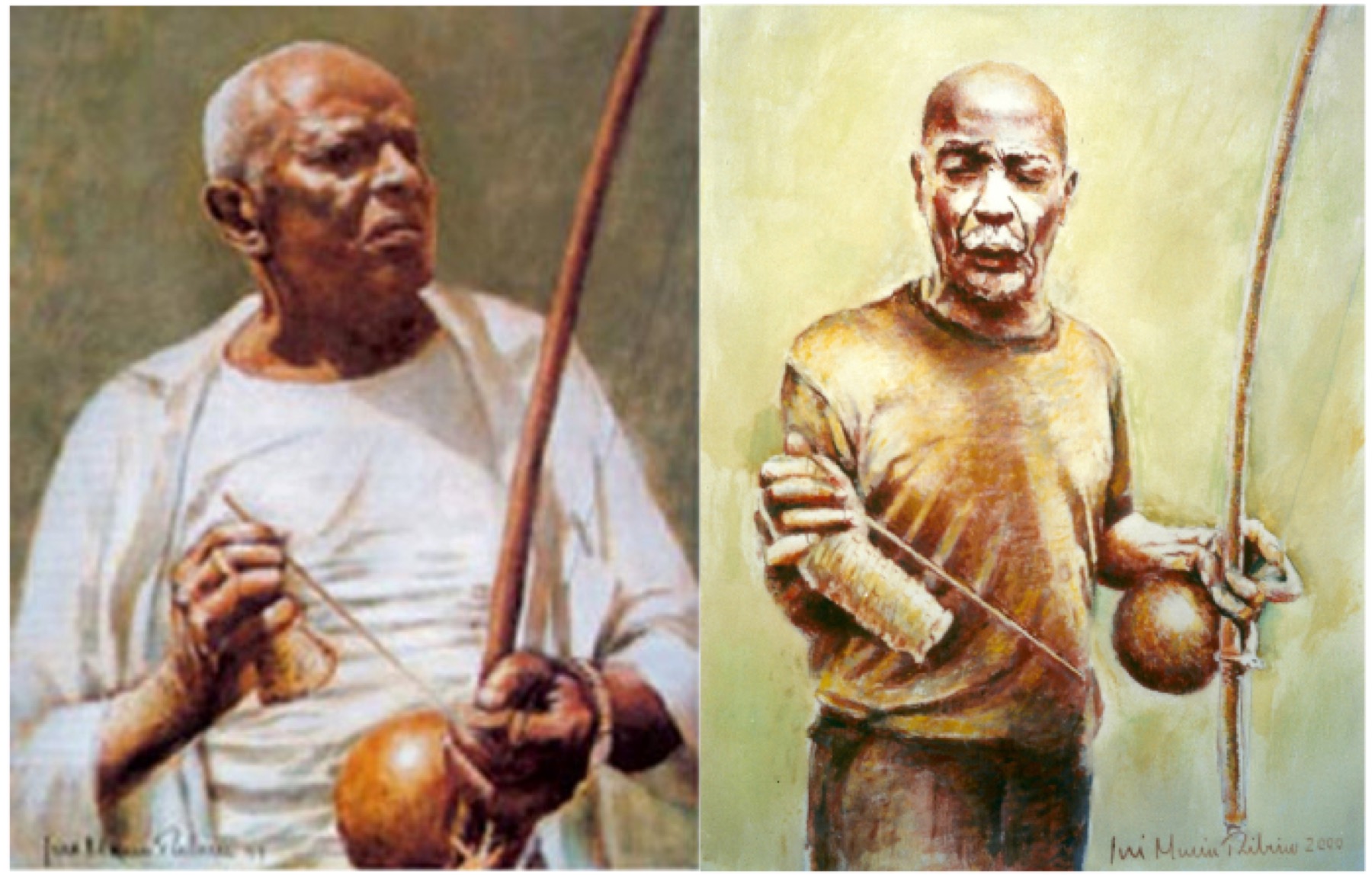
Paintings show Mestres Bimba (left) and Pastinha (right)
Capoeira Style
We practice a style known as Capoeira Regional Contemporânea (Regional Contemporary Capoeira). This style is derived from movements and sequences developed by Mestre (Master) Bimba in the mid-20th century (Capoeira Regional). It also incorporates elements of the more traditional style of Capoeira Angola formalized by Mestre Pastinha.
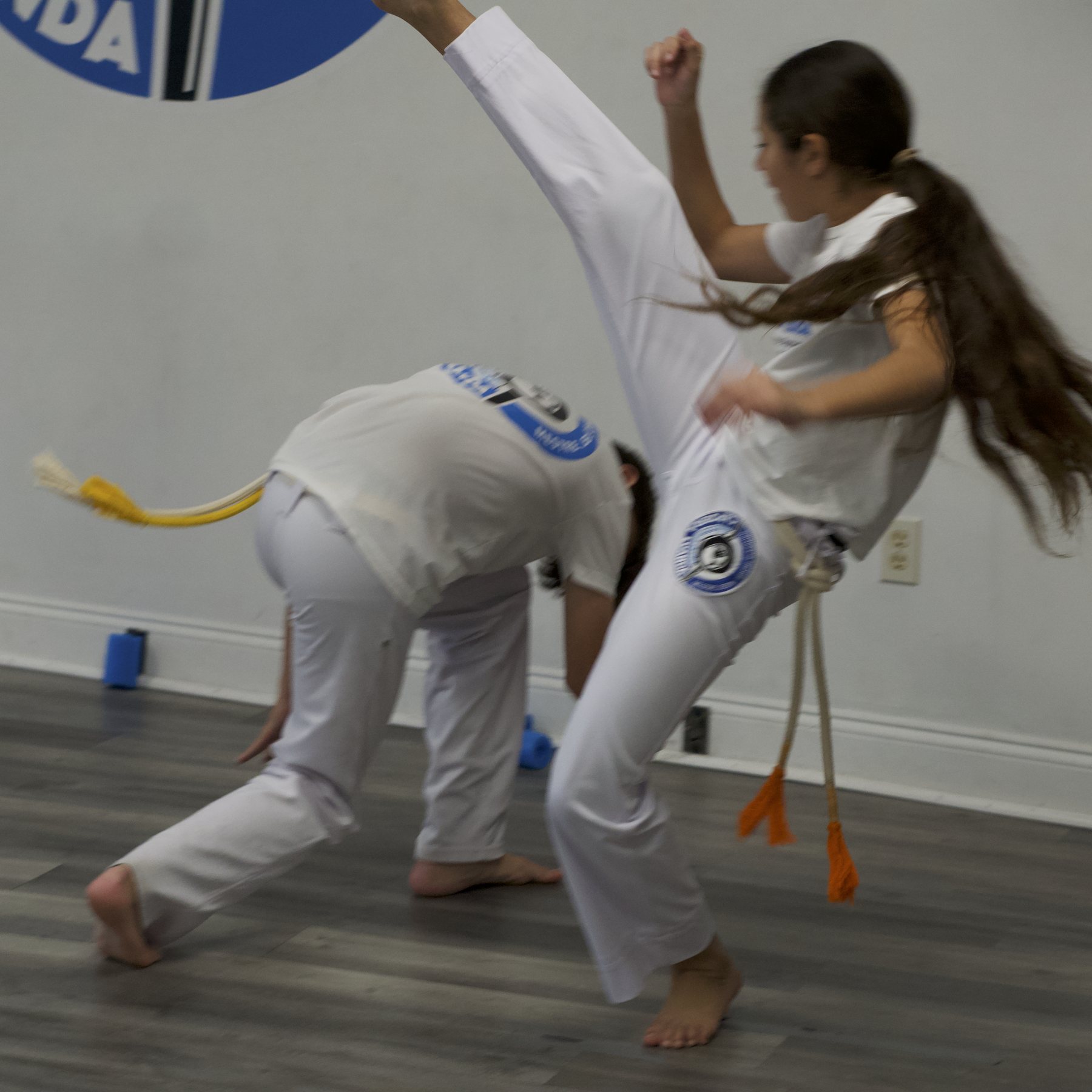
Capoeira Regional Contemporânea is generally considered to be a more explosive, martial style of capoeira with fast rhythms, rapid kicks, high-flying acrobatics, and dynamic clapping. However, Capoeira Contemporânea is a living, breathing art form that is constantly growing and changing with the times.
Capoeira School
Mass Capoeira is part of Capoeira Luanda, an international capoeira group founded in 2007 by Mestre Jelon Vieira, following his years of dedication to Grupo Capoeira Brazil. Since the early 2000s, Capoeira Luanda has expanded to include schools throughout the U.S., Brazil, Latin America, and Europe.
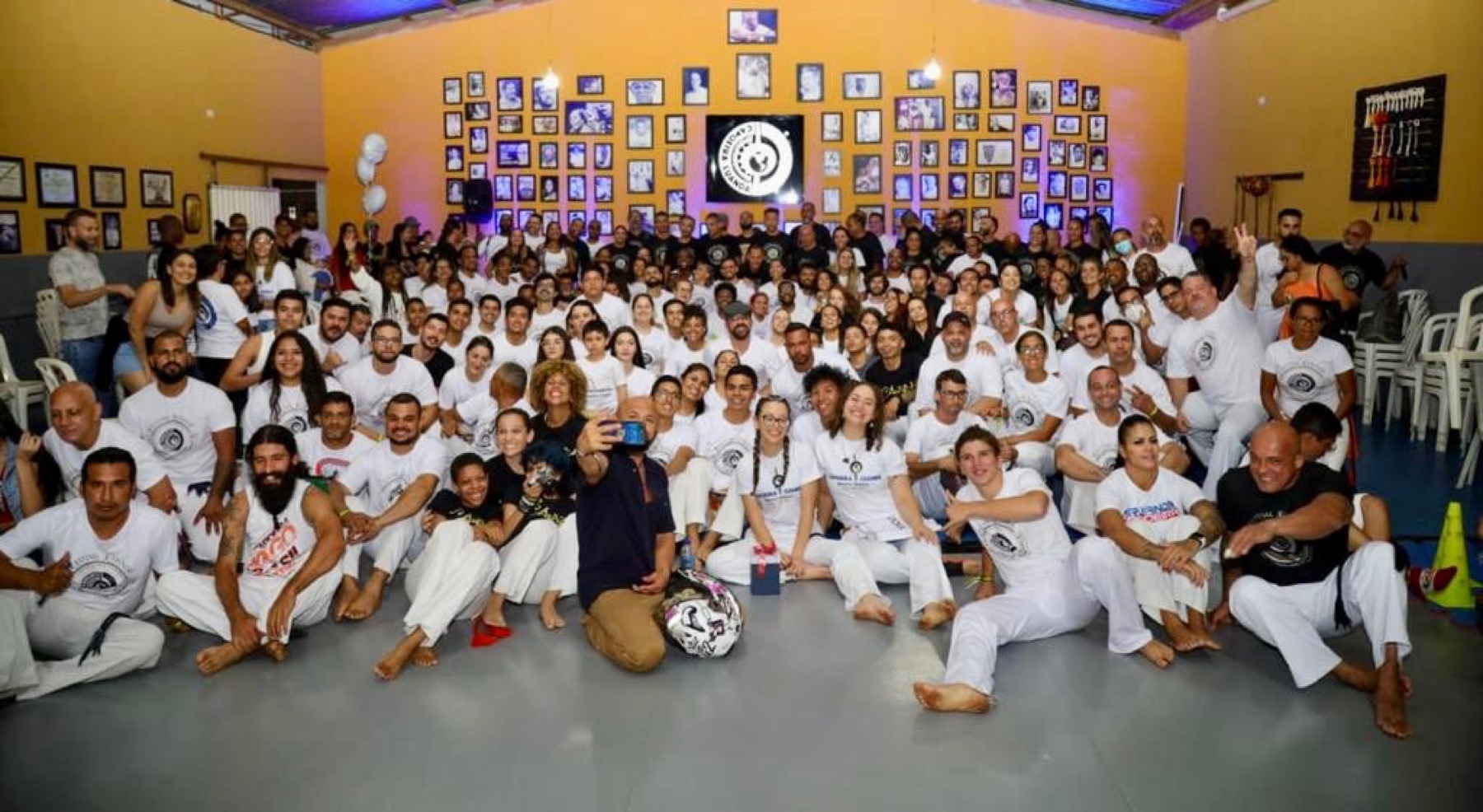
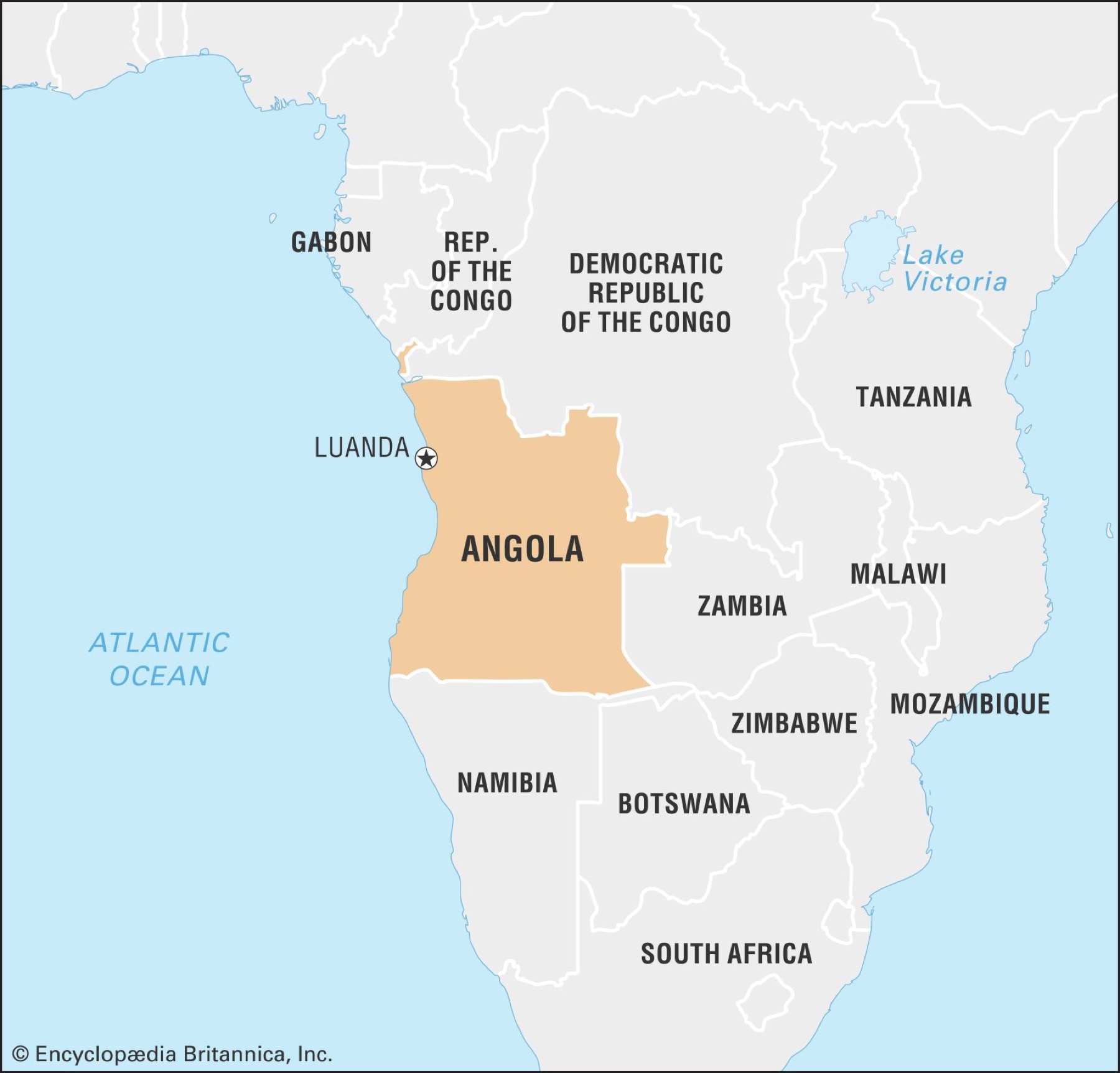
The name “Luanda” pays homage to the school that Mestre Jelon’s teacher, Mestre Ezequiel, founded in Salvador, Bahia: Grupo Luanda de Capoeira. The word “Luanda” has rich significance in the history of capoeira. It is rooted in the languages of the Bantu and Yoruba African peoples, where it has various meanings as a sacred, mystical land.
Luanda is also the name of the capital city of Angola, a southwestern African nation and former Portuguese colony. The city of Luanda was the largest port from which enslaved peoples were placed on ships and brutally, forcibly relocated to Brazil. For millions of enslaved peoples, the shores of Luanda were the last views of the motherland they saw before embarking on the long journey across the Atlantic Ocean. For this reason, the names Luanda and Angola carry deep spiritual meaning, and feature prominently in the history and traditions of capoeira.
We are committed to personal development through capoeira, and to sharing Afro-Brazilian culture with our community. We have a saying at Capoeira Luanda that speaks to our values and shared sense of community:
“Quando eu venho de Luanda, eu não venho só.” (When I come from Luanda, I don’t come alone.)

Dedication
We work hard to build our bodies and expand our minds, striving to become the best versions of ourselves that we can be.

Service
We regularly volunteer our time and talents to support the Capoeira Luanda school and the global capoeira movement, while also conducting outreach in our local communities.

Humility
Capoeira is tough, but incredibly rewarding. We leave our egos at the door and embrace the learning that comes from challenges and setbacks.

Respect
We welcome every student no matter their age, gender, ability level, or background. We respect our differences as we honor our shared history and traditions.

Empowerment
Capoeira is an incredible tool for individual and collective empowerment. We work to help every student reach their potential and promote social justice in our community.

Safety
Safety is our first priority. We recognize the danger inherent in any martial art and apply our skills carefully, ethically, and responsibly.
Batizado e Troca de Cordas
Each year, we host an event called the “Batizado e Troca de Cordas” (Baptism and changing of the cords). In this special ceremony, new students are formally welcomed or “baptized” into the art of capoeira, and more advanced students have the opportunity to receive a new cord.
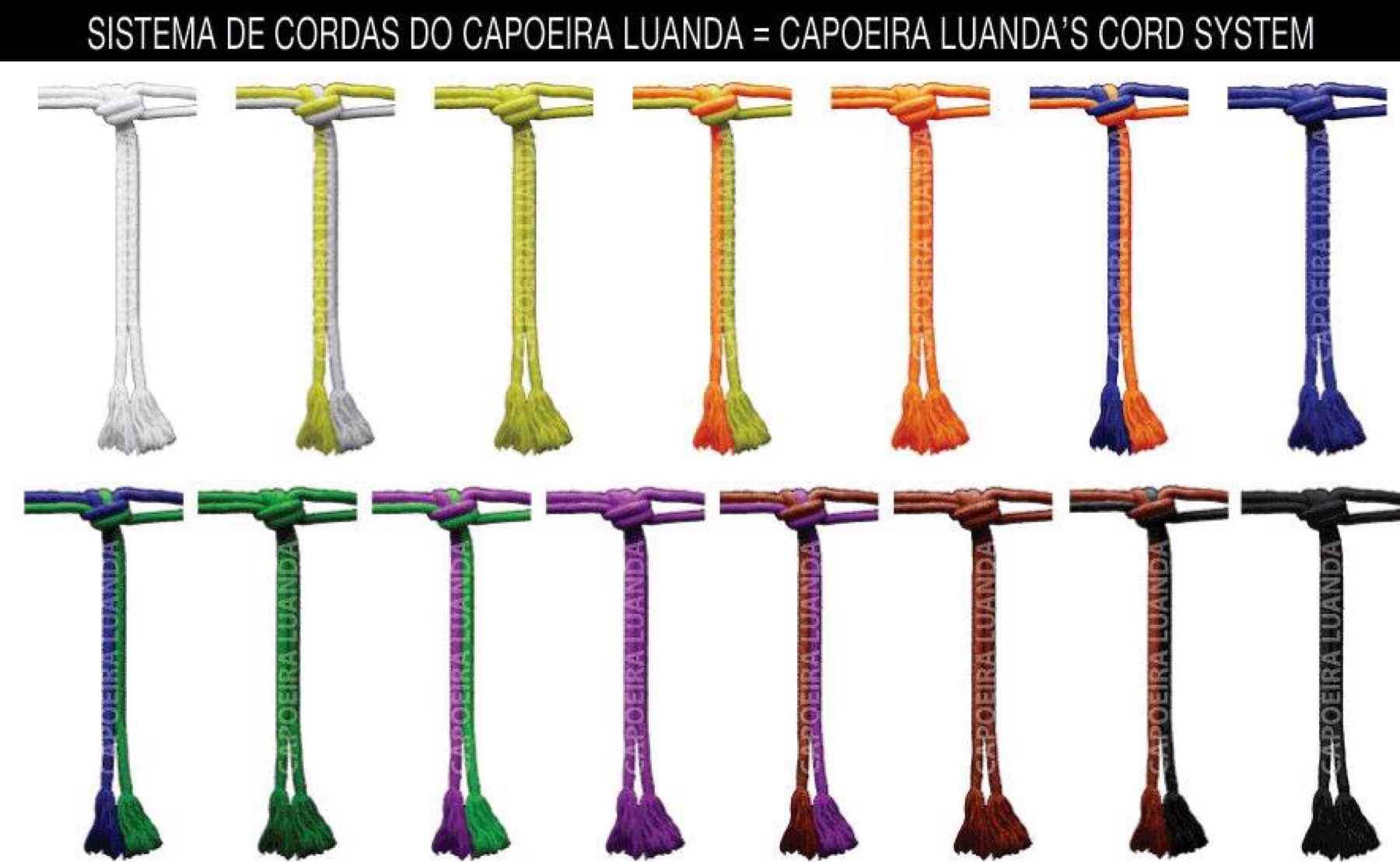
Capoeira Luanda Cord System
Like other styles of Capoeira Regional Contemporânea (and many other martial art forms), Capoeira Luanda utilizes a system of colored cords to indicate different levels or ranks of practitioners.
The images below depict the Capoeira Luanda cord system. Once a capoeirista achieves a certain level of mastery, they transition from being a student to gaining a series of increasing titles and responsibilities. It is important to note that higher levels are achieved not just through attaining greater skill, but through teaching and service to the capoeira community.
Capoeira Luanda Music
One of the distinctive elements of capoeira is its use of music to accompany the practice of physical movement. The music and dance-like elements of capoeira are commonly believed to have helped enslaved peoples in colonial-era Brazil hide the fact that they were practicing martial arts from slave owners and law enforcement officials by disguising it as a dance.
Capoeira involves the use of several percussion instruments, all with African roots. These include the berimbau (a one-string guitar), atabaque (drum), pandeiro (tambourine), and agogo (a small percussion instrument). The full group of instruments is referred to as the “bateria.”
A typical Capoeira Luanda bateria includes 7 instruments: 3 berimbaus (gunga, medio, viola), 1 atabaque, 2 pandeiros, and 1 agogo.
Capoeira songs are often narrative in nature, telling stories about famous capoeiristas, the Brazilian slave experience, and the natural landscape. The speed of the rhythm determines the pace of the game, and different rhythms indicate different types of games with distinct objectives.
The two primary rhythms used in Capoeira Luanda music are Benguela (a slower rhythm) and São Bento Grande (a faster rhythm). You can find Capoeira Luanda albums on Apple Music, Spotify, and other places where music is streamed and sold.